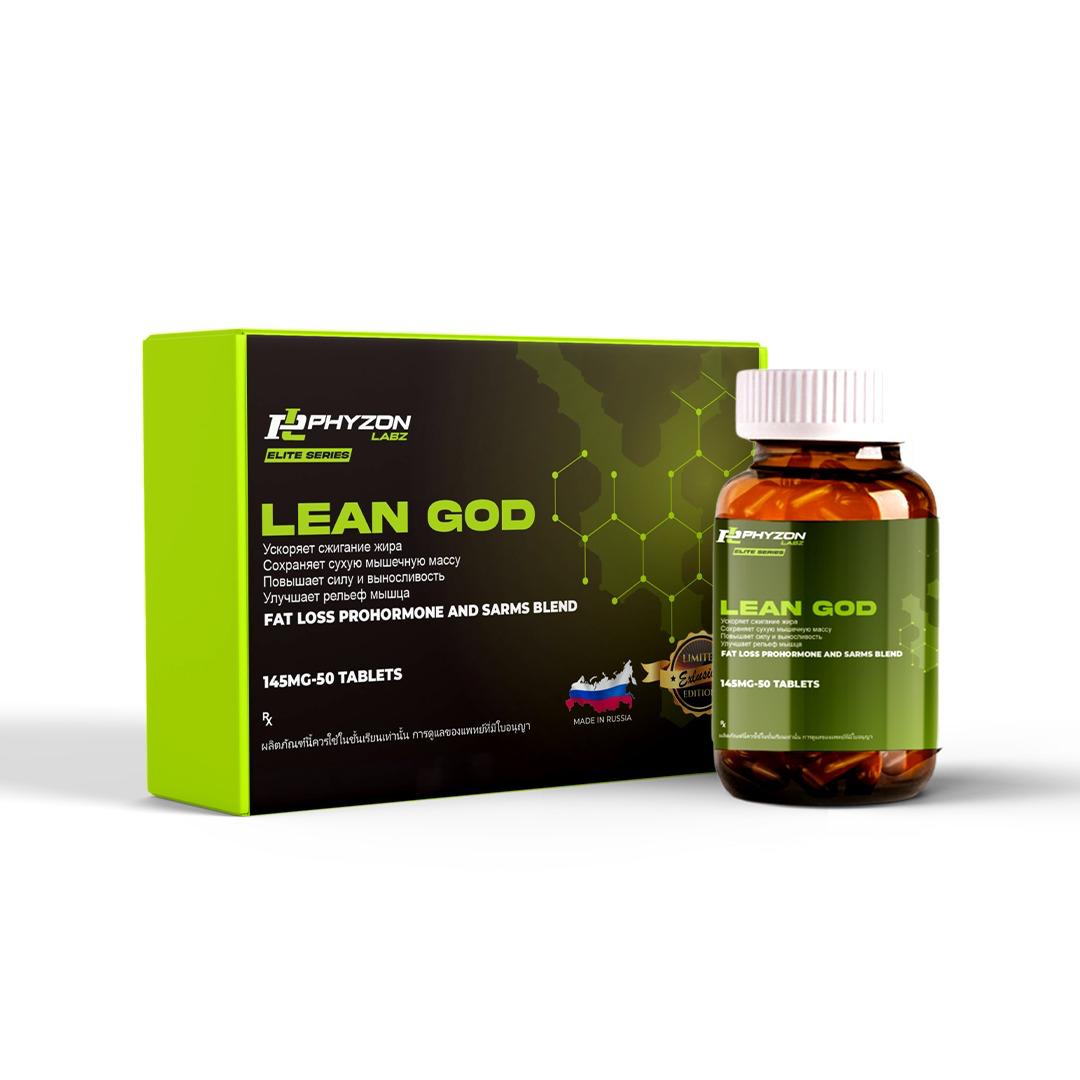

FAT LOSS PROHORMONE AND SARMS BLEND blend of two strongest sarms GW-501516 (Cardarine) AND MK-2866 (Ostarine)
GW-501516 (Cardarine)
Cardarine, also known as GW-501516 has two main uses: Increase endurance and rapid fat loss. Also, if you are an endurance athlete like a bicyclist, this will dramatically increase your endurance.
There are two main uses with GW-501516. The first and most common use is that of increased endurance. GW has been banned for professional athletes due to the unfair advantage it provides to endurance athletes. Anyone want a drastic increase in endurance will find that GW truly shines in this aspect. It takes effect very quickly and the results can be staggering. A common dose of 10 mg day will provide a significant increase in endurance.
The second common usage with GW is that of fat loss. Many users turn to GW as it has shown to melt off fat while still being non-catabolic. You will find that you can still hold on to some muscle as you are losing fat.
MK-2866 (Ostarine)
Ostarine, also known as MK-2866 is a LEAN muscle builder and also has properties of healing to strengthen joints, tendons, and ligaments.
Originally, it was developed to prevent and treat muscle wasting, as well as osteoporosis. However, athletes use MK2866 today as a performance enhancer to give them an edge over their competition.
Since it will not cause virilization problems in women, ostarine can be used by both females and males.
STUDIES
A 12 week double blind placebo controlled phase II clinical trial was conducted on MK2866, which showed that MK2866 increased lean muscle mass and improved physical function without the negative side effects seen with testosterone or other anabolic steroids.
MEDICAL USES
MK2866 was developed mainly for the treatment of muscle wasting and osteoporosis. Nonetheless, it also retains nitrogen and strengthens the joints. Therefore, it is a very versatile compound in matters of health benefits.
ATHLETIC USES
MK2866 works like anabolic steroids do, but with way less side effects, and almost no suppression. In fact, blood work has shown that MK2866 will suppress the HPTA (hypothalamic pituitary testicular axis) by only 10-20% vs. 95% seen with anabolic steroids. Hence, you can use ostarine as an additional or solo compound not only during your cycle, but also for post cycle therapy (PCT), and even the bridging phase. This makes ostarine a very versatile compound for the athlete.
Women will find MK2866 to be a much safer alternative to anabolic steroids because it won’t cause facial hair, enlarged clitoris, or other masculine traits.
Furthermore, MK2866 is also popular among powerlifters and bodybuilders due to its ability to strengthen bones and joints.
EPHEDRA
The effects of ephedra on the body are primarily attributed to its active compounds, known as ephedrine alkaloids. Ephedrine, pseudoephedrine, and norephedrine are among these compounds that act as stimulants. They influence the sympathetic nervous system, mimicking the effects of adrenaline. This stimulation was thought to promote thermogenesis, a process where the body produces heat, thereby potentially increasing calorie expenditure.
This elevation in metabolic rate was considered a mechanism for weight reduction. Beyond metabolism, ephedrine alkaloids were also believed to suppress appetite. This dual action of potentially increasing energy expenditure and reducing food intake formed the basis for their inclusion in weight loss formulations.
DMHA
Dimethylhexylamine (often labeled as DMHA or octodrine) is a synthetic stimulant that shows up in some pre-workout and weight-loss supplements. It is chemically related to other sympathomimetic amines and is marketed for short-term energy, focus, and appetite control. Despite the marketing, DMHA is not an approved dietary ingredient in the United States and is prohibited in sport. Evidence in humans is limited, product labels are often inconsistent, and safety is uncertain—especially when DMHA is combined with caffeine or other stimulants. This guide cuts through the noise with a practical, people-first overview: what DMHA is, what benefits are actually plausible, how labels and aliases can mislead, why athletes and many consumers should avoid it, and what the current science and regulations say.
Essential Insights for DMHA Users
• Reported effects include brief increases in alertness and workout drive; evidence in humans is limited.
• Not an approved dietary ingredient; banned in sport and may trigger positive doping tests.
• No established safe dose; products have listed 50–150 mg per serving with unknown safety.
• Avoid if you are an athlete in tested sport, pregnant, breastfeeding, under 18, or have heart, blood pressure, or psychiatric conditions.
WHITE WILLOW BARK
Willow bark extract has been used for thousands of years as an anti-inflammatory, antipyretic, and analgesic. In spite of its long history of use, relatively few human and animal studies have been published that confirm anecdotal observations. A small number of clinical studies have been conducted that support the use of willow bark extracts in chronic lower back and joint pain and osteoarthritis. Willow bark extracts also are widely used in sports performance and weight loss products presumably because of anti-inflammatory and analgesic activities, although no human studies have been published that specifically and directly document beneficial effects. In recent years, various in vitro and animal studies have demonstrated that the anti-inflammatory activity of willow bark extract is associated with down regulation of the inflammatory mediators tumor necrosis factor-α and nuclear factor-kappa B. Although willow bark extracts are generally standardized to salicin, other ingredients in the extracts including other salicylates as well as polyphenols, and flavonoids may also play prominent roles in the therapeutic actions. Adverse effects appear to be minimal as compared to non-steroidal anti-inflammatory drugs including aspirin. The primary cause for concern may relate to allergic reactions in salicylate-sensitive individuals.
Keywords: Salix alba; Willow bark extract; analgesic; anti-inflammatory; lower back pain; osteoarthritis; sports performance; weight loss.
YOHIMBINE HCL
Yohimbine, a naturally occurring alkaloid extracted primarily from the bark of thePausinystalia yohimbe tree, has garnered significant attention as a potential aid in weight loss. However, its efficacy, safety, and appropriate usage remain subjects of ongoing debate and require careful consideration. This article delves into the complexities of yohimbine for weight loss, exploring its purported benefits, potential side effects, recommended dosages, and crucial considerations for safe and effective utilization.
PANAX GINGSING
Panax ginseng is often promoted as a general tonic to improve well-being or cholesterol health. It’s also sometimes taken for inflammatory conditions or to help lower blood sugar in those with diabetes.1
Though touted to help with several health conditions, there is not enough high-quality research to provide clear recommendations for Panax ginseng’s use.
Store in a cool, dry place away from direct sunlight. Keep out of reach of children. Not for use by individuals under the age of 21.